Crafting Cinematic Surrealism

The beauty of cinema is when it creates images that stay and linger inside the mind. These types of films generate the idea of surrealism, where we are given the opportunity to experience more than the narrative. Surrealist cinema is a process in which it visualizes imagery and sets an unconscious atmosphere in order to challenge reality. But, how has this thematic element able to capture an imaginative approach within the use of storytelling? In the silent film Metropolis (1927) directed by Fritz Lang, is a German expressionist science-fiction film. The story describes the roles that the dystopian society places on its citizens. Fritz Lang’s approach towards this film is that it emphasizes on the visualization of surrealism, and the ability to experience certain images. But, what exactly influenced Fritz Lang’s images within Metropolis to be so modernistic? During the 1920’s, many styles of avant-garde helped embody modernistic art. One of the genres that encompassed surrealism and abstract expressionism was the Bauhaus movement. This unique aesthetic art style dominated European art and its influence spread through the creation of architecture and design. According to the article, The Influence of Bauhaus art school in Fritz Lang’s Metropolis, “The Bauhaus style, also known as the International Style, was marked by the absence of ornamentation and by harmony between the function of an object or a building and its design.” (JF Alfaya) Metropolis can be a defined as a piece of art that is stylized through the creativity of the Bauhaus movement since we are visually given insight to appealing images in relation to architectural styles. Bauhaus can be defined as a dramatic influence that centralizes around graphic designs and architecture. The main purpose of the Bauhaus movement was to combine crafts and fine arts, and its objective was to create self-reflexivity on our perceptions of the world. Surrealism has reshaped the experiences of viewers within the uses new techniques and approaches through exploring the narrative. In this essay, I will address the surrealistic images presented in Metropolis as well as other approaches in the film that communicate and display certain themes.

Through surrealistic images, we are caught to the attention of finding absent narrative logic. This visual attraction can relate to the formal techniques incorporated, such as the use of cinematography, sound, and editing. In the film Metropolis, we are introduced to such alluring imagery which strengthens the cinematography but also is artistically inclined with the mise-en-scene of the city. But, there are sequences where images can evoke frustration. Fritz Lang’s use of shapes and artistic designs create a focus on architectural objects. According to critically acclaimed writer Margret Kentgens-Craig, “Lotte Eisner finds a direct relationship between Metropolis and the Bauhaus, noting the formal geometry of the film’s mise-en-scène”(43) Geometrical figures seen throughout the film help cope with the use of visual storytelling, which triggers an investment from audiences. Visually, the shapes of the images displayed throughout the film are precise and perfected that it constructs the image of a dystopian society. There is a melodramatic sequence in Metropolis where we are presented with an optical illusion.
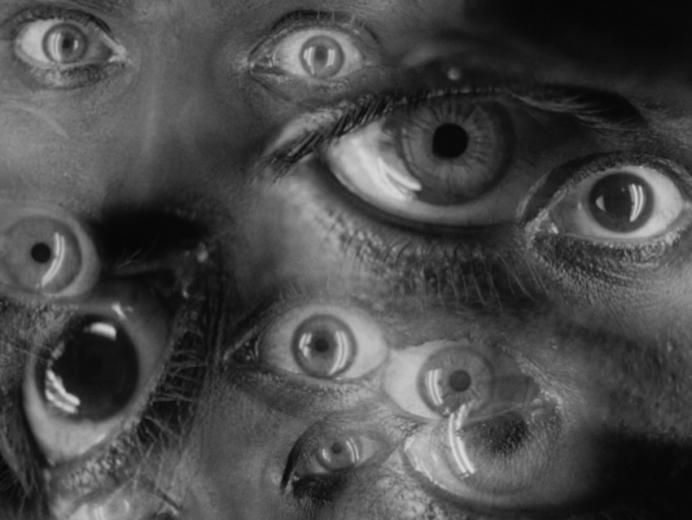
The montage of eyes serves as a portrayal of the different characters in response to Maria’s dance sequence. The stylized editing in this kaleidoscope image calls attention to the eyes of the viewer. But, this seductive dance conveys a message to the men of Metropolis so that they will obey her. The scene suspends the narrative and calls audiences as it serves as an attraction to not only her sexuality but expands social perceptions of the world. According to “In a way, the spectator’s eye (including the extension of the Kino-eye) acts as a barrier between the technological rationality that modernity implants in the viewer and the viewer’s own body and soul. The Kino-eye becomes the mediator, connecting both the dystopian and utopian elements of technology to create Vertov’s “perfect new man” (Vertov).” The use of the Kino-eye serves as a function of self-reflexivity. This thematic element shapes our view of the modern world, but drives us to look back on ourselves. The series of eyes in this sequence creates such a haunting atmosphere that it is able to maintain a terrifying feeling towards the viewer.

One of the surrealistic approaches incorporated in the film is the choreography, which involves timing and movement from each actor. I found it astonishing how Lang was able to choreograph large crowds of people in such geometrical arrangement. Many of the sequences display in-sync movement which helps cope with surrealistic imagery. In the opening of Metropolis, the political message we are first presented is the uniformed workers aligned and walking in perfect sequence. This theme conveys the relationship between machinery and workers and how there is a blurred line that separates both groups. There is a dream sequence where main protagonist Freder experiences a horrific factory with the workers employed.
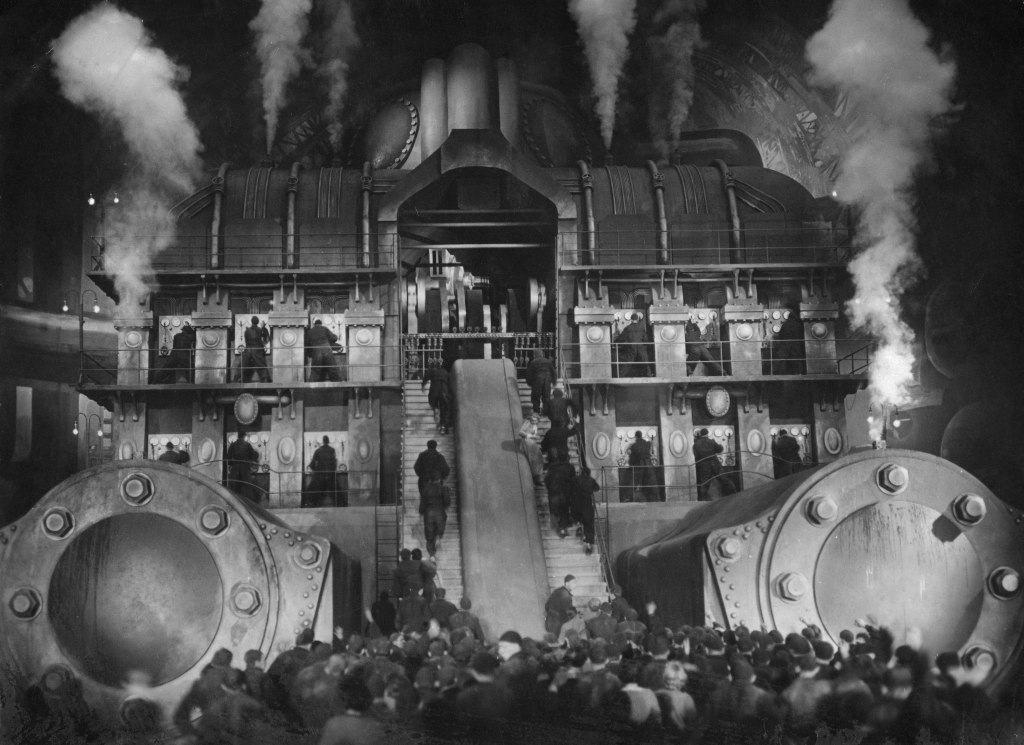
The machines that are operated by the workers begin to dysfunction, demonstrating that man has no control in this situation. Ultimately, the factory is transformed into a godly machine called Moloch, where workers are depicted as slaves and thrown into this sacrificial chamber. Humanization is stripped away from the workers, creating the idea of societal cleansing. The theme of dehumanization is expressed through the low-class workers, displaying one’s role in a societal view. They are placed beneath the earth, cut off from the light and must seek purpose in the world. This could relate to how they are unable to communicate to the higher class, which could symbolize religious means. Higher class is placed in a heavenly like world where they are viewed as gods, whereas workers are shaded in the dark and devalued in hell.

Metropolis is a film that well defines surrealism through crafting certain imagery. This imagery allows viewers to experience cinematographic elements, which disrupts the narrative, focusing on formal techniques to help cope a better overall theme. The goal for surrealist cinema films is to capture the beauty and aesthetic qualities through the display of storytelling. But, every director has their own distinct approach through filmmaking which can re-define a certain experience one feels. In this case, Fritz Lang demonstrates his style of calling the attention of the viewer, placing them out of the narrative and into the surrealistic imagery. This concludes on his ability to execute believable interpretations through uses of storytelling. Formal techniques seen throughout Metropolis is essential, since the use of cinematography and editing play an important role within the theme of surrealism.  In this essay, I was able to identify the importance surrealism as well as hidden themes conveyed in Metropolis. Ultimately, surrealism is a stylistic form that has the ability to transmit certain images to the eyes of the viewer. Whether it’s absent from the narrative, imagery is a way to allure audiences into the “surreal” experience. That being said, surrealism in Metropolis gives us the opportunity to visualize misinterpreted imagery that forces us to think beyond the narrative.
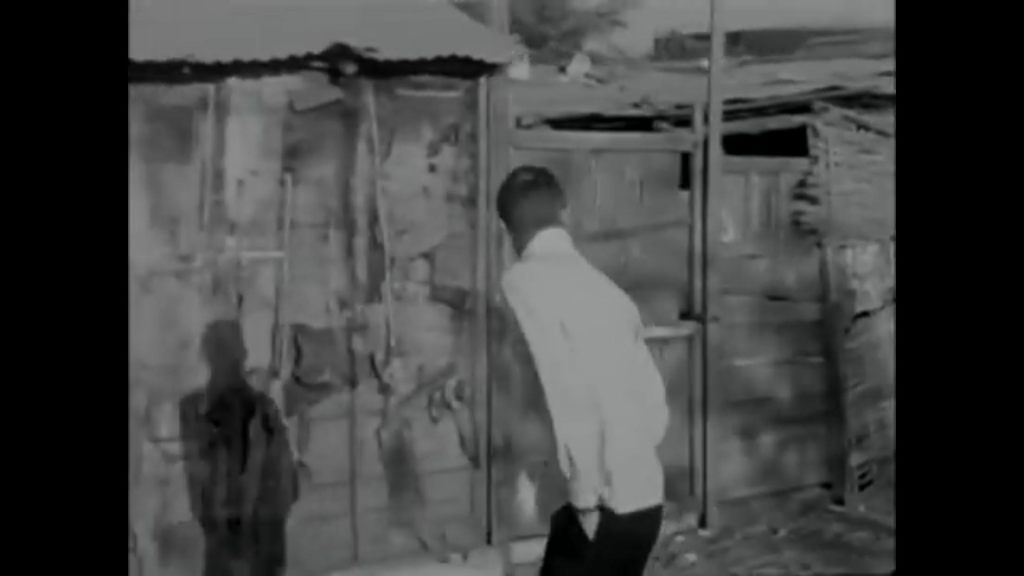
Black Girl (1966) Sequence Analysis

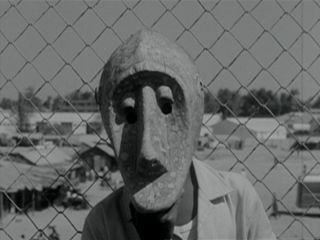
In the sequence of the film Black Girl (1966) displays the final ending. This scene presents Monsieur whom travels back to Dakar to return Diouana’s belongings back to her mother. Throughout this sequence, I will address the importance of the formal techniques used, such as the cinematography, sound, and editing.

The first image we are presented in this sequence is the child looking down at the mask and eventually wears it, following our character Monsieur. But the mask we see resembles a motif of Diouana’s soul creating this haunting atmosphere of her death. Artistically, the use of cinematography in this scene emphasized around high key lighting. But since the film was shot in black and white, the use of the dark colors helped cope with the eeriness of the mask. The characters are dressed in bright and dark colors.

The importance of the use of sound in this sequence is what makes it so compelling. The music seems to fade in as soon as we see the child take the mask and follow Monsieur. But, the woman who is singing during this scene really captures realism. It begins to intensify as we the cross cutting between the two characters in which it creates this haunting atmosphere. With the editing incorporated, there were uses of wide shots, close-ups, and hand-held shots. When we see Monsieur rapidly walking away from Dakar, the shaking hand-held shot creates this feeling of how there is someone watching them. It creates a moment of realistic suspense through these formal techniques which creates this engaging opportunity from audiences. But, this mask carries a symbolism of how these roles are switched in this scenario. It feels as if when Diouana first bought the mask, it was the influence on French colonialism, she felt forced to dress and act like her French employers. During Senegal’s independence, there were these movements of segregation and secularism which impacted their view on French colonialism. You see, racism and gentrification played a role during this time which made Dakar so secluded. But, when the mask was first presented and was displayed on the wall, it expressed this idea of isolation through the views of her employers and how it reflects in the finale. The boy wearing the mask is so daunting that in a way, takes back the freedom from Dakar. The image of the mask was disrespected by Madame and Monsieur that created isolation within their culture.

Black Girl (1966) Movie Review

In the film, Black Girl (1966) written and directed by Ousmane Sembene describes the story of a young African woman who struggles to work as a servant in France. Critically acclaimed filmmaker Ousmane Sembene, is recognized as the father of African Cinema. Most of his iconic works consist of novels and films such as Le Docker Noir (The Black Docker, 1956), Barom Street (1963), and Moolaade (2004). But, in this particular film, Black Girl, the 65-min. black and white foreign film, centralizes around the impact of French Colonialism on Senegal. This realistic drama displays the pressure on black identity and nationalism through the post-colonial era. In this review, I will address a brief summary and analysis of the film as well as its importance of formal and thematic elements.

The story takes place in France where a young Senegalese woman Diouana leaves her home, Dakar and is invited to serve as a maid for a French white couple. Diouana has always dreamt of France as a place of paradise but in reality, it is not the lifestyle she seems it to be. Believing that she would look after her employer’s children, Monsieur and Madame show no sympathy for Diouana. They view Diouana as a slave and expect her to cook and clean. But there seems to be a misunderstanding that Diouana has the same desires and needs just as her employers. There is no respect for Diouana in this household. She finds herself locked in a prison and at one point states, “France is only the kitchen”. Madame believes that Diouana should be grateful for what is offered to her, such as a home, a bed, etc. But Diouana isn’t even given the opportunity to do what she truly wants. And this is where she regrets taking this job.

Watching this film, I felt culturally invested. This film explores the importance of cultural aspects and how as an audience, we are driven to this stereotypical view. We are presented with these stereotypes through which Diouana experiences with Monsieur and Madame.  But, although these characters don’t seem to address their stereotypical views, it is portrayed through a blind manner. An example of this would be how during a dinner sequence, Diouana’s cooking is called out to be “Real Authentic African cooking”. This could also relate to how Madame locks Diouana in her room for her “own safety”. There is no realization of Diouana as a human rather a pawn whose loneliness and innocence is reflected through the color of her skin.

The film itself is beautifully well done. The formal techniques displayed throughout the story is what helps strengthen the film. One of the techniques that Sembene offers is the use of diagetic and non diagetic sound. This is essential throughout the film as main protagonist, Diouana narrates the story. As the viewer, we are told what to think instead of creating our own interpretations of the characters and the story. Sembene chooses to focus more on the feelings of Diouana throughout the film. Because most of what we know from Diouana’s feelings originate from the voice overs. Whether it’s her internal thoughts or ideas, much of what she feels is displayed throughout the story. But, what makes this film a realistic drama are the themes incorporated such as race, gender, and culture. All of these thematic elements play a role in this film, which ultimately creates the tension between the two groups. The black and white aesthetic of the film helps cope with the idea of race and color. I noticed that most of the space seen throughout the film is white. This space defines how isolated our main character is, often placed in the dark and exposed to such whiteness. Sembene exposes the isolation of Diouana through concerns of cultural domination and the subordination of women. His use of storytelling through minimal use of imagery and dialogue creates questions. It almost feels as if we obtain more information through the perspective of Diouana, whom is lonely, is conflicted with whites, and has the inability to speak for herself. The use camera work in the film is what creates realistic values. Sembene manages to capture her journey from Dakar to a place for a woman’s search for work. But, whether it was the close ups or POV shots, this allowed for Sembene to create realism. Some other thematic elements seen throughout the film is colonialism and religion. Both of these themes have been portrayed differently through both cultures, white or black. From Madame and Monsieur’s point of view, colonialism has impacted their idea of African traditions. An example of this could be how the mask in the film is meant to symbolize some sort of hidden message from Dakar rather than decoration. Many constant uses of flashbacks help create a better understanding about the origin of the mask and its relationship towards both groups.

Overall, Ousmane Sembene does an astounding job directing the film, along with the performances of Mbssine Therese Diop and Anne-Marie Jelinek. But the film can be painful and rough to watch at times. I wouldn’t recommend this film to an ordinary audience. I believe that this film could be a great use in African Cinema or a world history class. Personally, one of the films that share similar thematic elements in relation to this film is Get Out (2017). I felt as if both these films carried a great portrayal of innocence through culture. Both protagonists experience a racial conflict which leads them to fall into the misinterpretation of a certain group. It is films like these that engage audiences through realistic thematic elements. I felt as if both of these films build such suspense that it generates questions about the characters. But because Ousmane Sembene manages to create realism through different thematic elements, we are able to see through the narrative of our main character. I would highly recommend Black Girl to certain viewers, such as film or race and ethnic study majors since these kinds of films are heavily important and culturally informative.

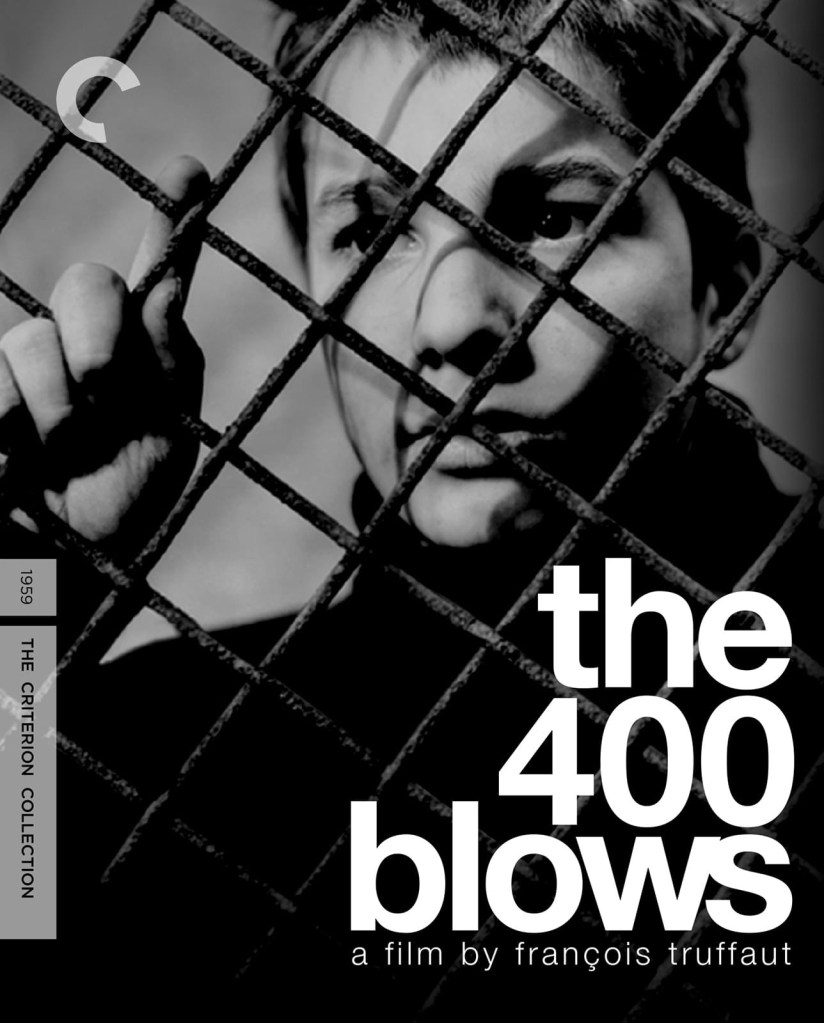
The 400 Blows (1959) Movie Review

In the Film The 400 Blows written and directed by Francois Truffaut describes the story of a young boy, Antoine Dionel, and his altercations with authorities and the law enforcement. You see, Antoine lives a rebellious life which impacts the way his harsh parents and other adults treat him.

The Film itself is amazing. Truffaut does an incredible job directing and being able to create such a beautiful film. Even though it was shot in black and white, I found it enjoyable to watch. But the story itself is quite depressing which Truffaut does a good job leaving the audience engaged. Since the film is foreign, it was interesting to notice the French new wave and its cultural investment of its viewers. Overall, The 400 Blows is a must watch for all movie lovers!